Blog
Notes on design and building.
Thinking on universal design, accessible technology, niche markets, and the craft of shipping things that actually help people.
-
The Quote Is the Product
For most small manufacturers and service shops, the estimate is the first thing a client receives. Most treat it like paperwork. The ones that win treat it like a deliverable.
Read → -
What Changes When AI Writes the First Draft
First-draft generation is the most consistently useful AI application for small businesses. It also changes the nature of the work in ways most people don't anticipate.
Read → -
The Hardware Tax
Building physical products costs roughly 3x what people expect. The gap isn't in the parts — it's in everything that happens after the prototype works.
Read → -
What Small Shops Actually Need From AI
Most AI tooling is built for teams that have data scientists, model ops, and six-month implementation timelines. Small shops need something different.
Read → -
Open Source as Lead Generation
Releasing tools publicly isn't charity — it's the most credible form of marketing available to a small technical shop.
Read → -
The One-Week Website Is Real Now
The blocker used to be time. A good website took weeks of design, development, and back-and-forth. That's no longer the constraint, and the implications for small businesses are underappreciated.
Read → -
Agents Don't Replace Workflows, They Reveal Them
When you try to automate a business process with an AI agent, you discover the process was never as defined as anyone thought. That's the real value.
Read → -
The MSP Opportunity Nobody Is Talking About
Small businesses don't need more AI tools — they need someone to manage the AI they already have. Managed service providers are perfectly positioned for this and almost none of them are doing it.
Read → -
The Hidden Cost Problem in AI Agents (and What We Built to Fix It)
Token costs in production AI agents are invisible until they're painful. Here's why that happens, what it costs teams, and how TraceStack — our open-source LLM tracer — addresses the visibility gap.
Read → -
How to Actually Choose an AI Model
Eight models, all claiming to be the best at everything. Here's the framework we built to cut through the noise — and the free tool that runs it in four questions.
Read → -
Know What a Prompt Costs Before You Send It
AI costs almost never match your intuition. A free tool that estimates token count and cross-model pricing before you run anything.
Read → -
Context Windows Are the Constraint That Actually Matters
A novel fits in Gemini. A PDF overflows GPT-4o. A visualizer that makes the difference concrete before it breaks your application.
Read → -
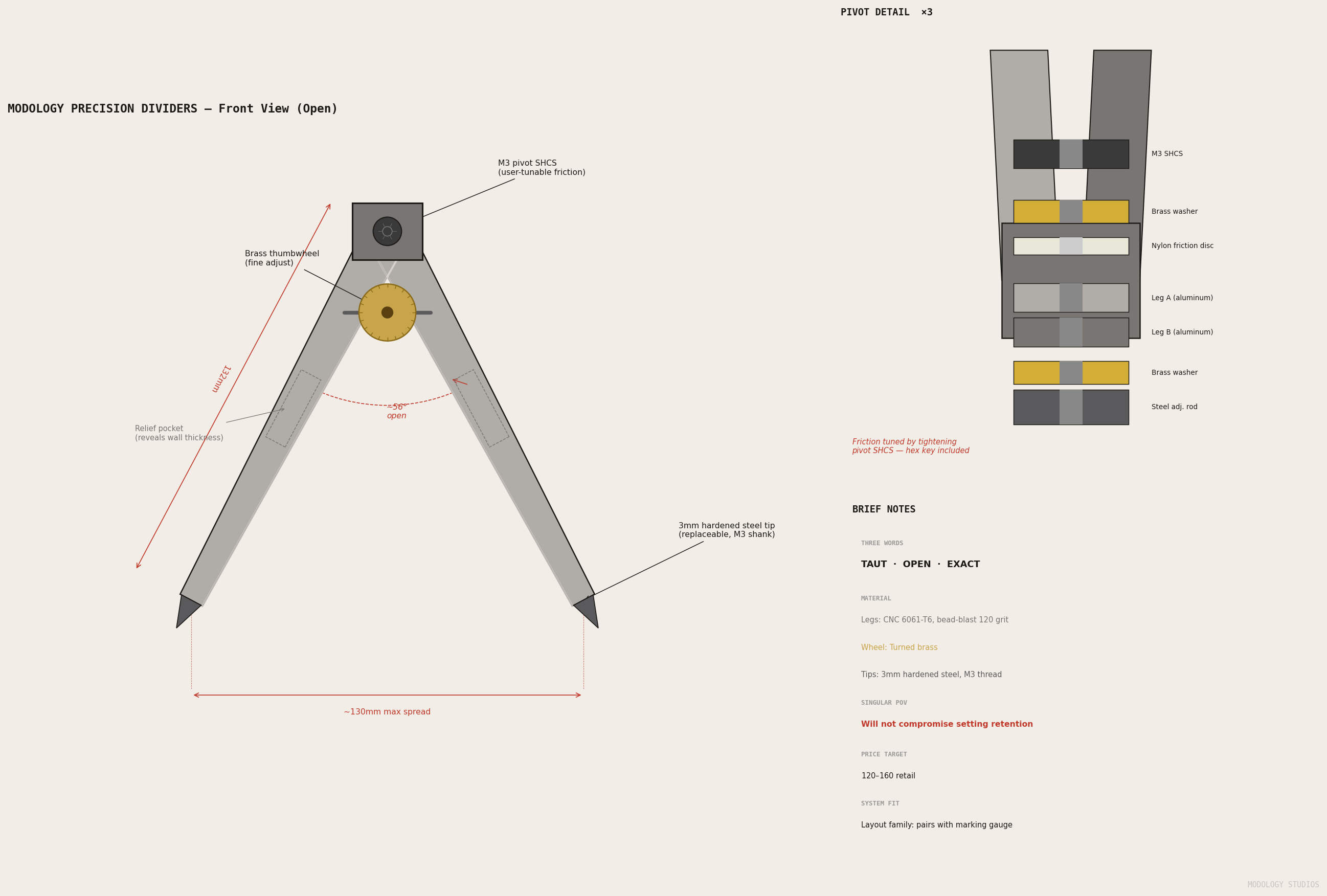
How We Design: The Precision Dividers
Woodworkers and watchmakers have been complaining about the same divider problems for decades. Here's why we decided to fix it — and how.
Read → -
The Guillotine Problem: Optimizing a Plywood Cut List
Every sheet of plywood is a small bin-packing problem. Here's the algorithm we built into a free browser tool — and why the math matters more than you'd think.
Read → -

Atlanta Is a Design City
The BeltLine, Ponce City Market, the airport, the sprawl — Atlanta's built environment has something to teach about what accessible design actually costs and who pays for it.
Read → -
The Case for Designing for the Niche
Enterprise software optimizes for the median user. The most interesting design problems live at the edges.
Read → -
What Woodworking Teaches You About Software
Craft disciplines have been solving design problems for centuries. Software product teams could stand to pay attention.
Read → -
The Physical-Digital Gap
Most design studios pick a side — physical or digital. The interesting work happens in the space between them.
Read → -
Ethnography: The Slippery Slope
Design research aims to extract meaningful insights from user behavior. But the same methods that surface great product ideas can compromise privacy and produce inequitable outcomes.
Read → -
Why Universal Design Matters
Universal design is frequently neglected across professional fields. Its principles could significantly enhance accessibility and usability for everyone — and most enterprise software still ignores them.
Read → -
Archalist: A Curated Resource for Designers and DIYers
Born from a personal home renovation journey, Archalist is a community-driven resource list for DIYers, interior designers, real estate agents, and architects.
Read →